
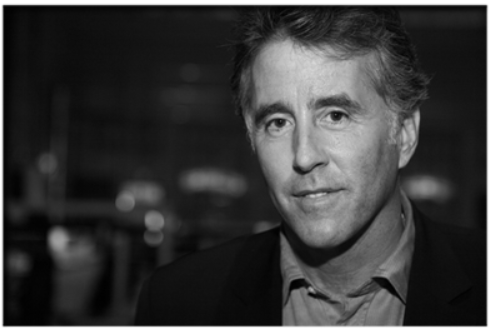
 Hollywood actor Christopher Kennedy Lawford wrote a personal memoir, Symptoms of Withdrawal; HarperCollins released his book during 2005. This and the other photographs that follow are accompanied by text that was abstracted directly from his book.
“What happens when you are born with the American dream fulfilled? The dreams that drew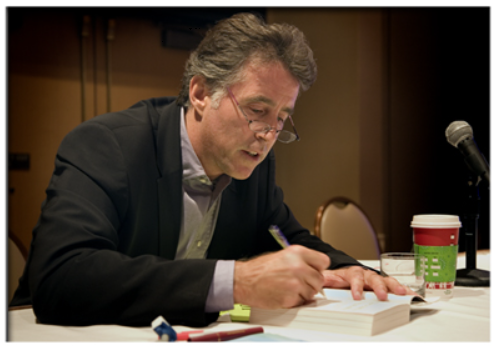 my ancestors here had been realized for me at my birth. I was born just off the beach in Malibu, California. My father, Peter Lawford, was a movie star and a member of the Rat Pack. My mother’s brother Jack would be president of the United States. I was given wealth, power, and fame when I drew my first breath. Now what?” (p. 1).
“My mother and father used to hang out with their friends at the Beachcomber Bar on Channel Road in Santa Monica. Legend has it that we stopped there on the drive home from the hospital, with my parents proudly placing their newborn son… on the bar and ordering their favorite cocktails. I suppose they thought of it as 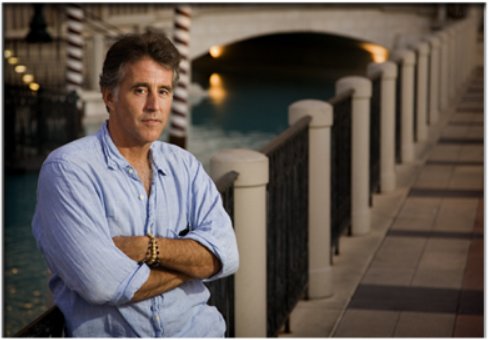 a sort of hip Malibu neonatal unit. I wonder if this was when the imprint of alcoholism found me. Or did it always run in my blood? There are certain activities and professions in life that, once you are exposed to them, get into your veins and you’re finished. You can’t help but give yourself over to them. Show business and politics are like that…. The fast, boozy beach bar life of my parents in 1955 was like that, too. Once my bassinet found its way onto the Beachcomber Bar I was toast. Yes sirree, we had privilege, power, and wealth, what we didn’t know was that alcoholism ignores all that” (p. 9).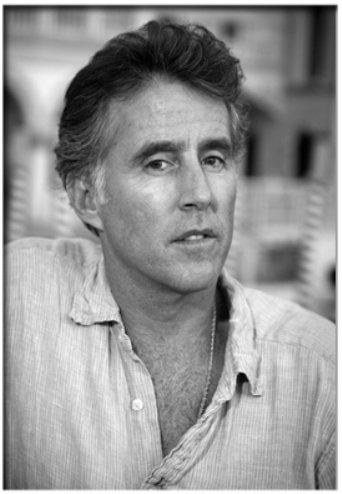
“The murders of my uncles were never really humanized for me. John and Robert Kennedy were public figures and their murders were public events… The mythic proportions [of the murders] somehow dehumanized the actual events and prevented any real human association. We had no tools for dealing with any of it, and those who might have provided some were far too devastated themselves to be much help. The only way to survive was to escape” (p. 108).
“Sometime in the fall of my eighth-grade year at Saint David’s the apostles discovered LSD…. My apostles tried to enlist me in their weekend acid-dropping get-togethers, but I had thus far resisted. It was the last remnants of responsible goodness, preventing me from making the leap to the dark side. There was something deep inside of me that knew it would be the wrong thing for me to do. But my friends were 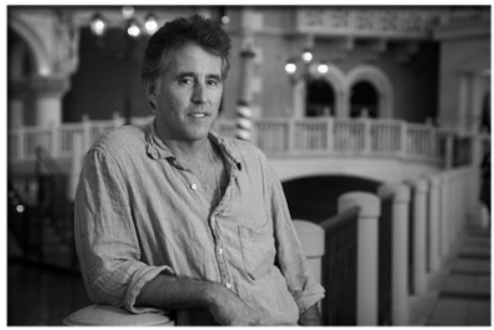 persistent. One day… at the house my mother rented as our weekend getaway, we were walking down a beautiful country road. One guy had brought enough windowpane acid for all of us, and my friend wanted to know, yet again, if I was in or out. Peer pressure is a bitch. There was no epiphany, just a calm acquiescence to the thirteen year old desire for experimentation and the need to fit in” (p. 110).
“I loved getting high. I was a pig from the gate. I took anything and everything. Opiates were my drug of choice, but whatever changed my consciousness was my friend. There wasn’t anything I couldn’t accomplish when my medicine cabinet was fully stocked. Of course, it was an illusion. I always ran out sooner than planned and the energy expended to keep the narcotics flowing was significant—but when they were flowing, watch out” (p. 159). 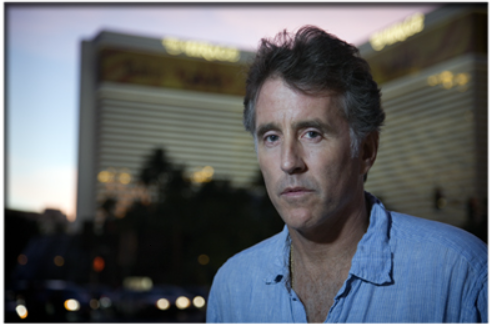
“I used drugs for seventeen years. I used pretty much every drug you have ever heard of and I used a lot of them. The thing you need to know about drug use is, it’s not linear. It ebbs and flows. What I was taking and how much of it I was taking had as much to do with availability and circumstance as desire. Throughout my using I attempted to remain somewhat functional.
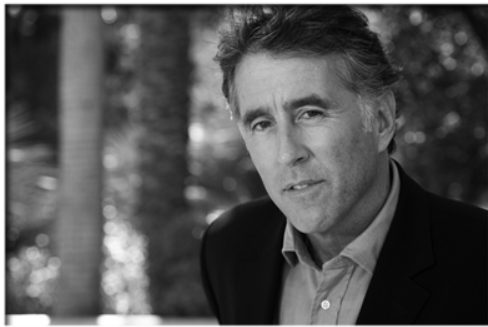 Hell, I managed to get three degrees and I was pretty much stoned through all of it. When it is the addict’s intention to remain functional, then the addict’s use becomes geared to keeping the addict in the game. Eventually, though, addiction will trump functionality” (p. 160).
“My aunt Joan Kennedy…didn’t have whatever gene it is that runs on the Kennedy side of my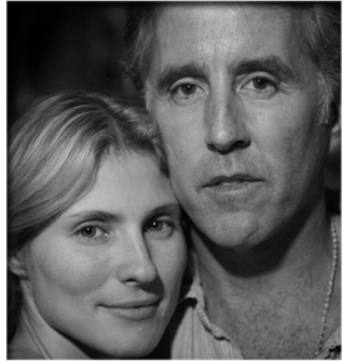 family, enabling those who have it to remain functioning and stay alive far longer than they should, no matter how badly they abuse themselves…. Joan did for me what no doctor, therapist, priest, or guru could do. She brought me to a church basement full of a diverse group of apparent losers who would teach me how to live without drugs and alcohol a day at a time, and a whole lot more” (p. 302).
“If I could change anything in my life, being an addict would not be one of them. Whatever wisdom I have gained has come as a result of my struggle with addiction” (p. 382).
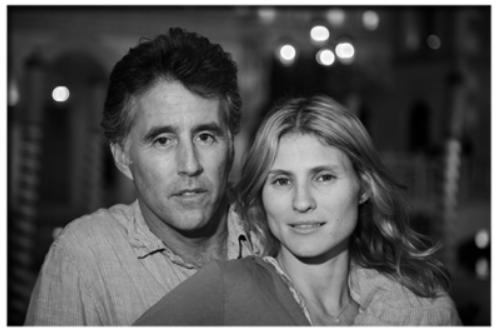 During the Sundance Film Festival, Chris was working on a behind the scenes story. He met Lana. After asking her some questions on camera, he asked for her number. They married. “She is the only woman I have ever told the
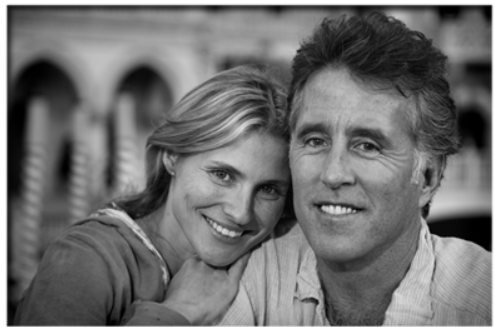 whole truth to. It’s not easy. There are days I wish I could be duplicitous, but the road has gotten narrower. It’s worth it (p. 370).
By sharing his memoir, Chris has been successful in establishing a writing career. But, Chris learned that there is more. “…I have also achieved something else. The opportunity to use one of my family’s greatest strengths, its commitment to public service, to make a difference in the lives of those who struggle with addiction” (p. 398).
Read Symptoms of Withdrawal, by Christopher Kennedy Lawford; it is a memoir that is making a difference.